In the vibrant spring of March in Nanjing, the First Jiangsu-Kazakhstan Youth Robot Soccer Friendship Tournament kicked off on March 28 at the Nanjing Institute of Technology. With technology as a bridge and competition as a bond, young participants from China and Kazakhstan grew together through hands-on practice and deepened mutual understanding through collaboration, writing a new chapter of cross-border youth friendship.
The opening ceremony was held at the Tianjianyuan Sports Center of NJIT. Witnessed by guests from the Consulate General of the Republic of Kazakhstan in Shanghai, the Ministry of Education of the Republic of Kazakhstan, the Foreign Affairs Office of the Jiangsu Provincial People’s Government, the Jiangsu Provincial Department of Education, Phoenix Publishing and Media Group, and Jiangning Senior High School, the “Jiangsu-Kazakhstan Youth Science, Technology, and Innovation Exchange Program” was officially launched, marking further deepening of educational exchanges and cooperation between the two countries.
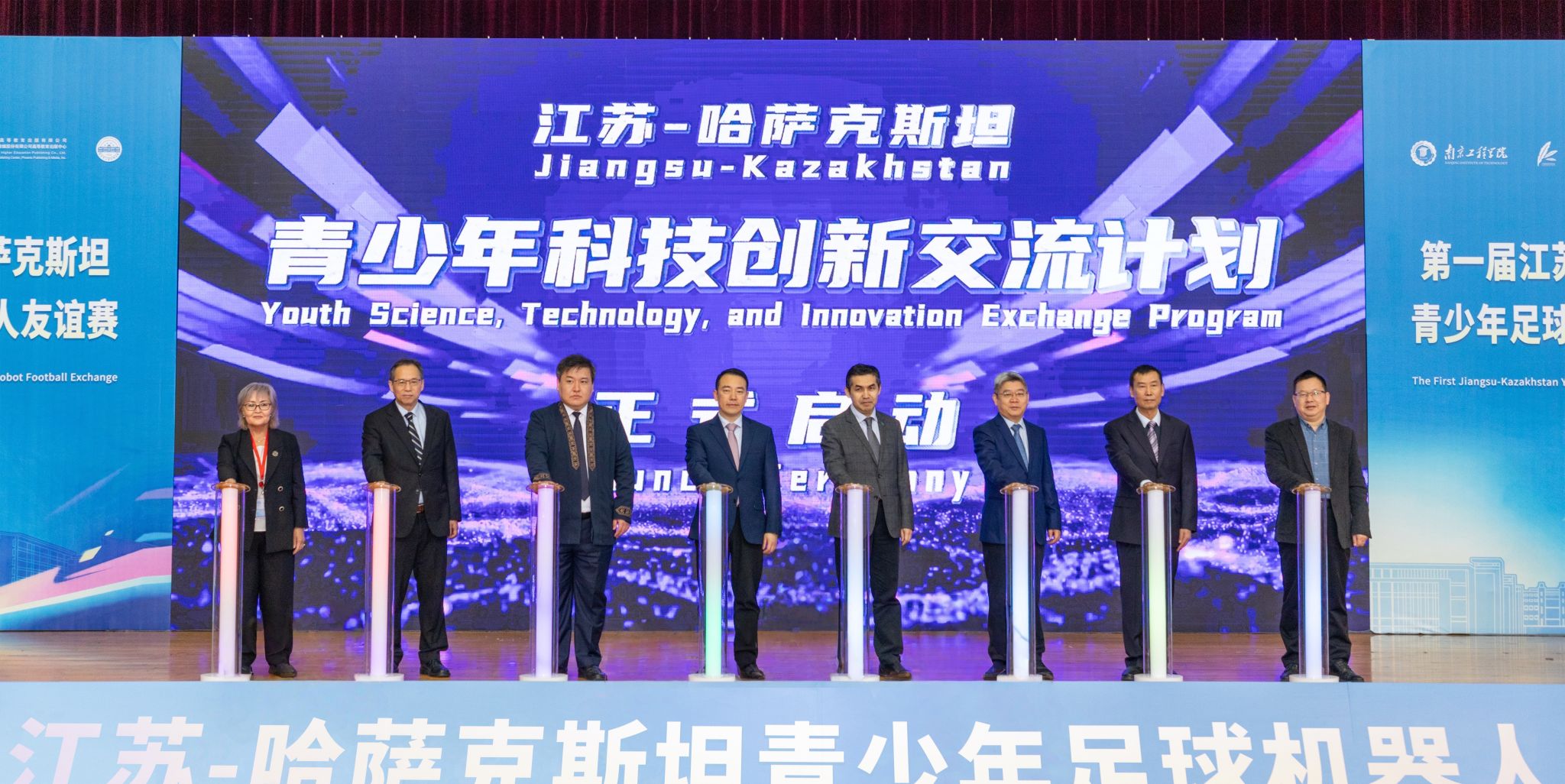
Sun Aiwu, Chair of the University Council of NJIT, attended the event and delivered a speech. Wang Qun, Member of the University Council and Vice President of NJIT, presided over the opening ceremony. Sun Aiwu noted that NJIT will continue to leverage its engineering strengths and international education advantages, using this tournament as a link to further deepen pragmatic cooperation with Kazakhstan and Central Asian countries in education, science and technology, cultural exchanges, and youth engagement, contributing to China-Kazakhstan friendship and the building of a China-Central Asia community with a shared future.
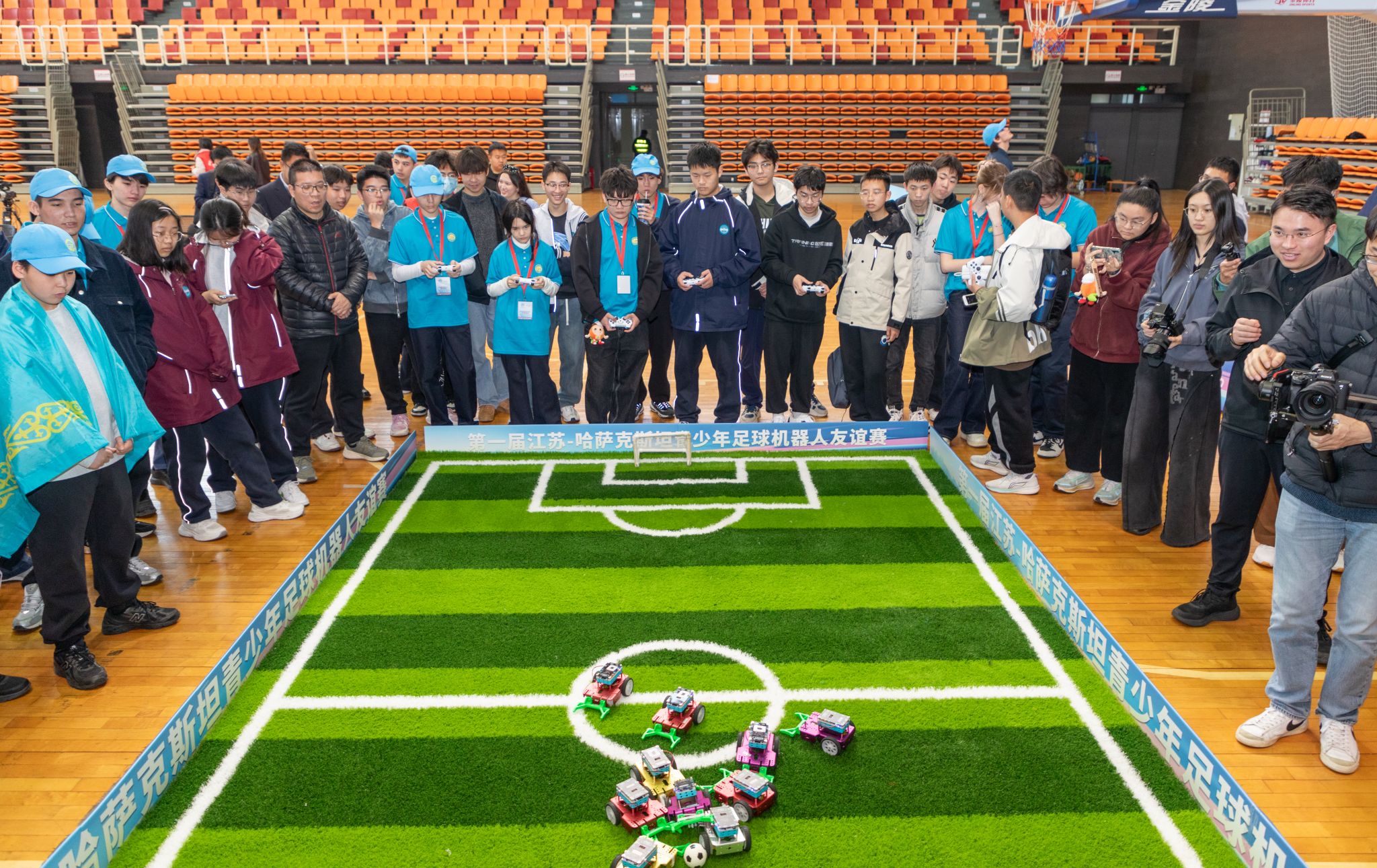
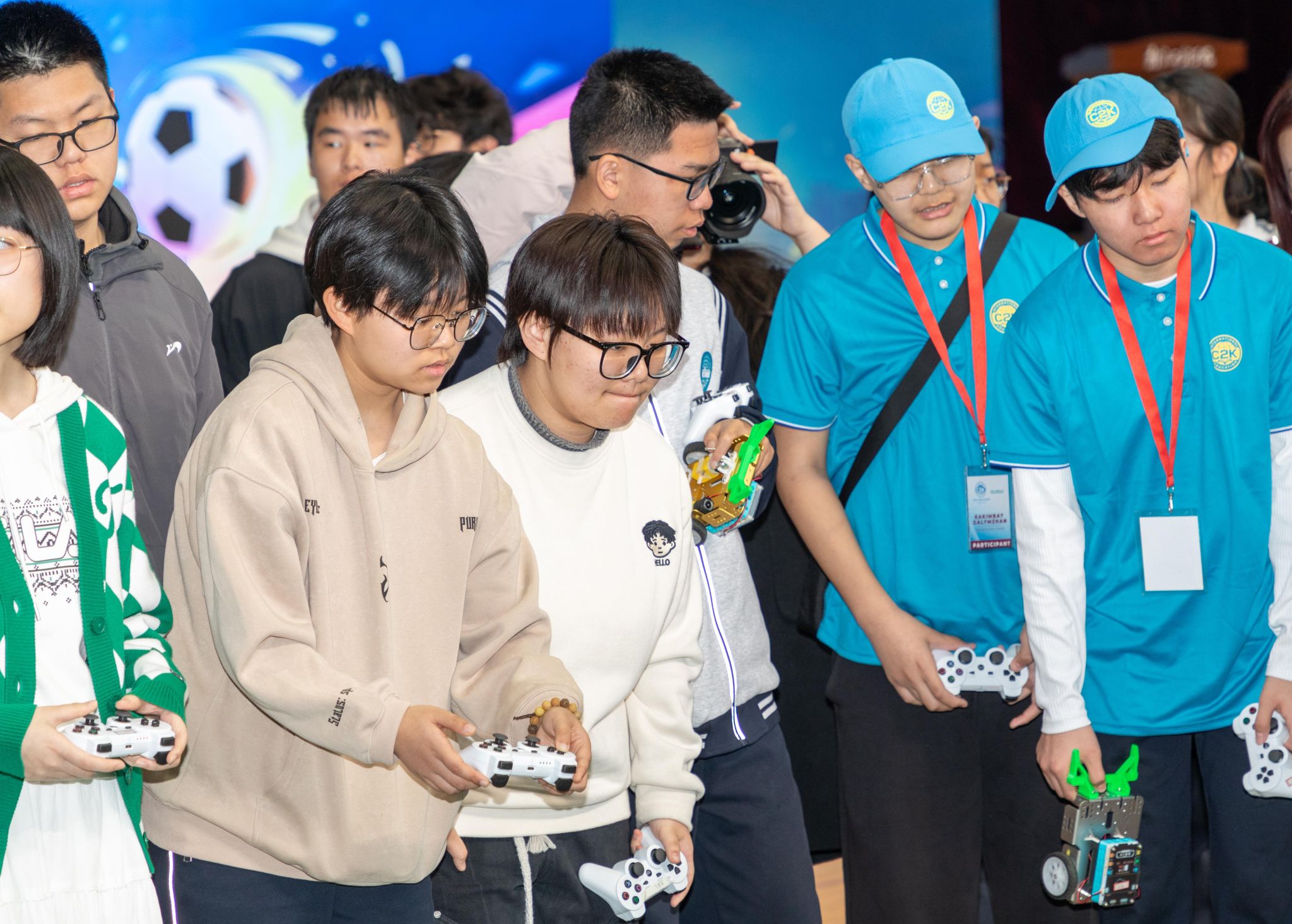
On the competition field, ten mixed Chinese-Kazakhstani teams competed side by side. Small soccer robots darted across the pitch with agility, shifting between offense and defense. The students worked with full concentration and seamless coordination. Their Chinese counterparts patiently explained operational techniques, while Kazakh partners actively shared tactical adjustments. They encouraged each other after mistakes and celebrated together upon scoring, engaging warmly both on and off the field.
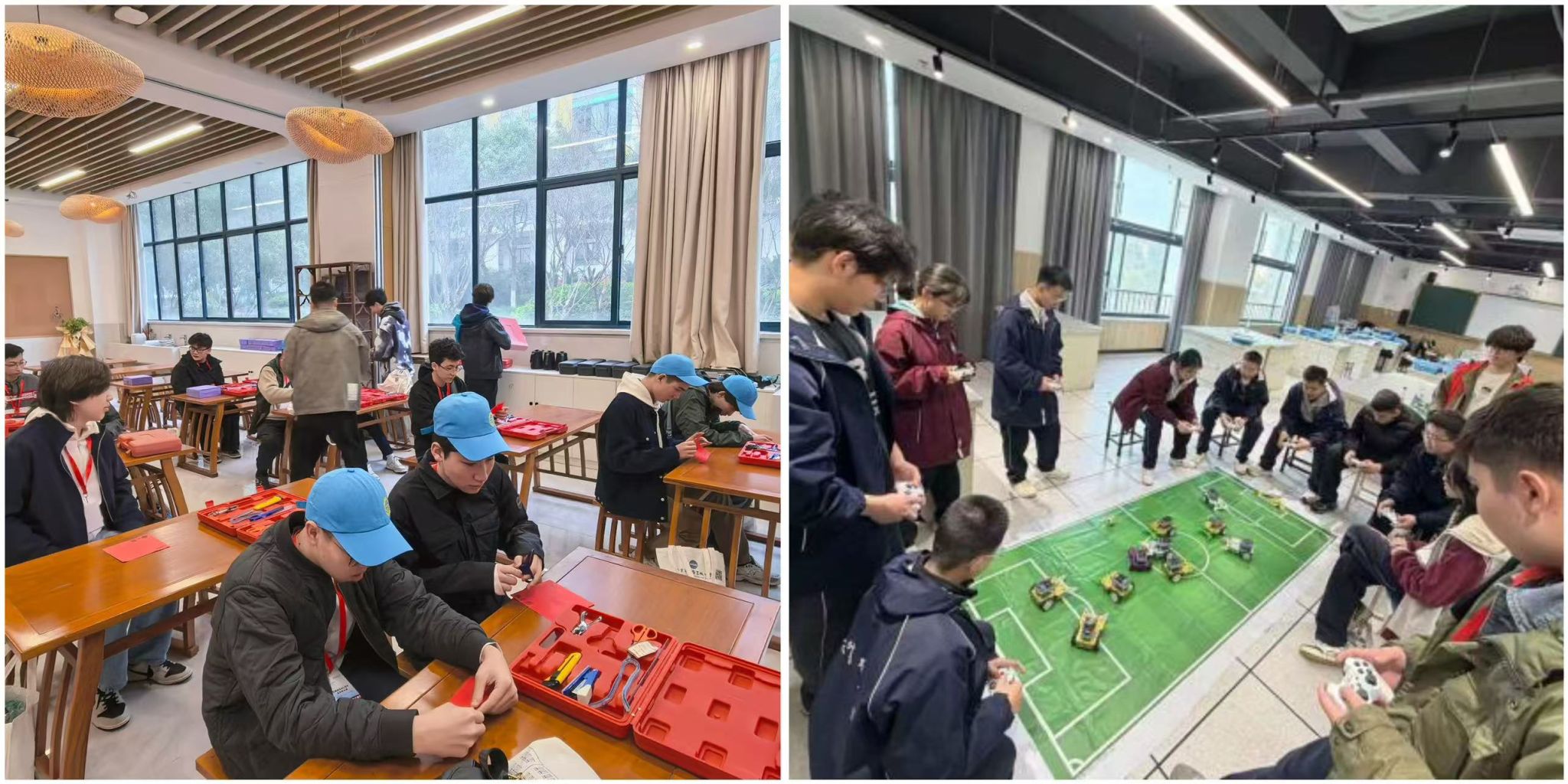
Before the competition, the young participants also took part in a three-day “2026 Jiangsu-Kazakhstan High School Students AI Spring Training Camp” at Jiangning Senior High School. At the camp, they sat side by side, debugging, discussing, and practicing repeatedly, jointly completing learning tasks such as assembly and robot debugging. “This is my first time in China, studying together with friends from Nanjing. Every day is fresh and fulfilling,” said Gazezova Aizhan, a high school student from Kazakhstan.
This event, a fusion of technology, sports, and youth, was not merely a robot soccer competition but a meeting of hearts and a dialogue between cultures. “The match was intense, but the friendship is even more precious. We not only learned robot control and teamwork, but we also gained sincere friendships that transcend borders,” said the young participants from both countries. They expressed that this experience will remain one of the most unforgettable memories of their youth, and they are willing to serve as young ambassadors of China-Kazakhstan friendship, carrying it across mountains and seas for years to come.
The guests also jointly visited the exhibition of robotics textbook resources, the showcase of student project-based learning outcomes at NJIT, and the four thematic exhibition halls in the Industry-Education Integration Building.